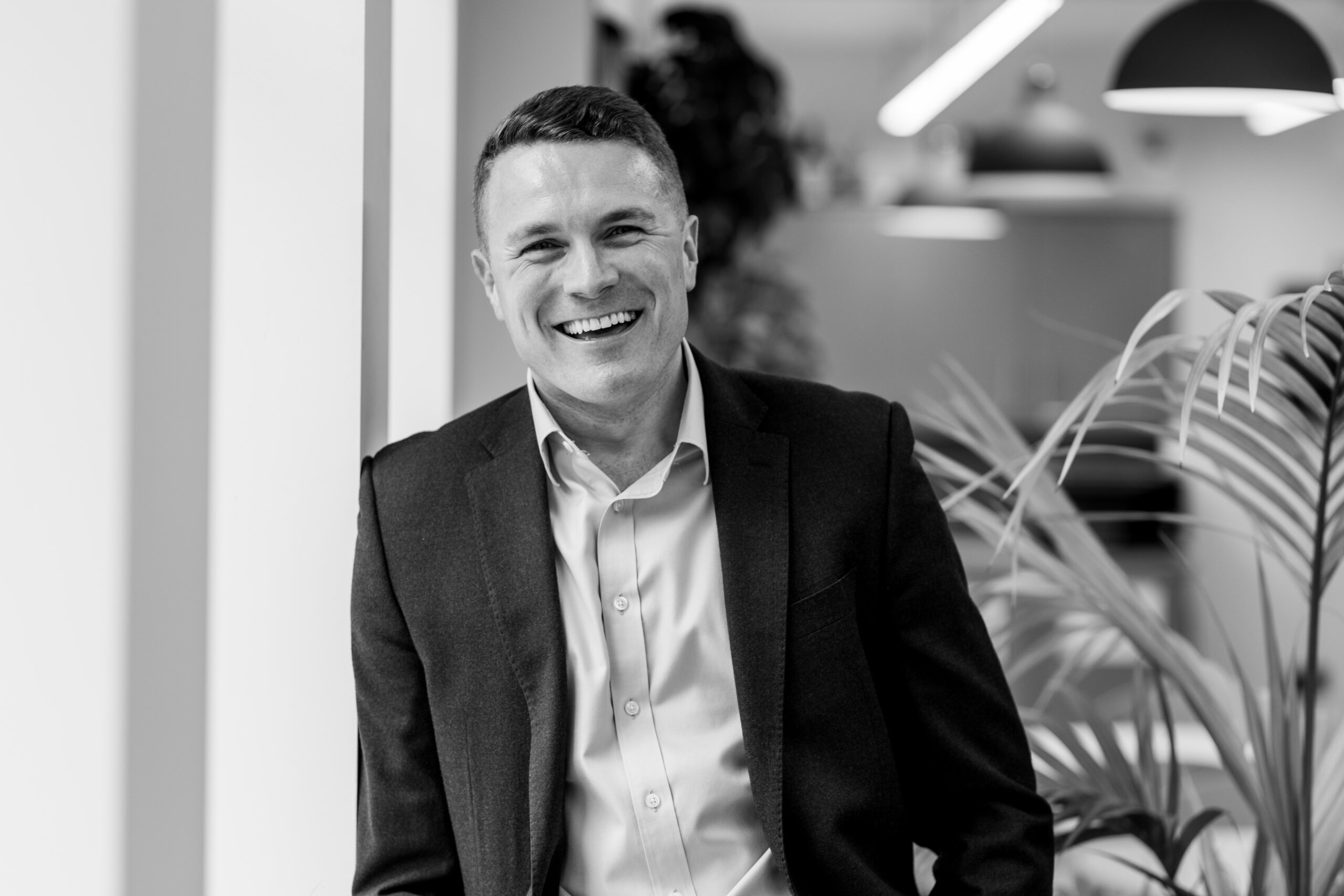
A year into his role leading IT for the UK and Ireland at pladis, Russell Taylor has overseen a major shift in how technology supports the business; moving from traditional IT operations to a product-centric model designed to unlock growth, efficiency, and cross-functional alignment.
With a background spanning global FMCG and healthcare brands, Russell joined pladis – home to household names like McVitie’s and Jacob’s – at a pivotal moment. “It was the right time for a change,” he says. “I left something comfortable to take on something more challenging, and it’s re-energised me. The scale, the complexity, the opportunity: it’s all been incredibly rewarding.”
Setting the direction
Russell’s remit upon joining was to shift a traditional IT structure into a modern, value-focused organisation and deliver a strategic roadmap for the UK and Ireland business.
“The IT model was very much in the mode of siloed waterfall improvement projects,” he says. “They knew they needed to move towards an Agile, outcome-led, value-driven way of working, but no one internally had done it before. That’s why I was brought in.”
Early discoveries
One of the biggest surprises? The mindset of the team.
“I expected to have to convince people to come on the journey, but I didn’t,” says Russell. “The team were hugely invested in the success of the business and completely open to change. That cultural foundation made everything possible.”
The greater challenge was capability. “We had strong foundations in areas like manufacturing and supply chain,” he explains. “But there was a huge gap in commercial IT, with no dedicated support for sales or marketing, and limited experience in using tech to drive growth. We’re closing that by leveraging and learning from our commercial function colleagues and leaning into external partnerships.”
Product thinking in action
Rather than hire a new team from scratch, Russell took an evolutionary approach: “We repurposed people with the right attitude and relationship skills, gave them the tools, and created product teams to embed into areas like demand planning, marketing, and R&D.”
It’s already paying off. In Marketing, a new end-to-end MarTech platform is being planned – a result of close collaboration between Russell’s team, business stakeholders, and a newly embedded product owner. “We’re demonstrating tangible value,” he says. “And it’s opening doors.”
Making an impact
Three priorities guided Russell’s first year:
- Embed a product-led model in the UK with potential for global scale
- Build capabilities to support commercial growth
- Start developing global platforms that could serve multiple markets
“pladis is still more international than truly global,” he explains. “The ambition is there and the UK, as the second-largest market, is a natural place to pilot global capability.”
Credibility has been key. “Early delivery buys you trust,” he says. “That’s why we went all-in on demand planning first. Clean it up, deliver quickly, and use that to build influence elsewhere.”
Unlocking progress
The turning point was then getting stuck in. “In previous roles, we had big partners, big budgets, big training plans. Here, we didn’t, so we took a more organic approach. Define the vision, build the foundations, and learn by doing.”
That approach has started to drive culture change. “Teams are having different conversations with stakeholders. They’re uncovering needs and opportunities that had been buried for years. And now we’re starting to connect the dots across functions.”
Balancing short-term and strategic goals
Russell admits it’s still a juggling act. “There’s always pressure to deliver quickly. But you also need to build the case for long-term change. That means telling the story, framing the opportunities, and showing how modernisation unlocks value.”
Legacy systems, for example, have long lacked a clear business case for replacement. “With the product model, we’re changing that conversation, showing how those systems hold us back and what we could achieve with the right investment.”
Approaching AI with purpose
pladis is cautiously optimistic about AI. “There’s appetite, but we’re focused on meaningful use cases, not hype,” says Russell. “We’ve seen promising early results in marketing content generation, and we’re piloting an AI agent for HR policy support. We’re also rolling out advanced models in the demand planning space that are showing huge promise.”
He’s also driving adoption of Microsoft Copilot across functions, encouraging knowledge sharing and real use-case development. “Some of our graduates are already getting more out of it than senior leaders because they’re digital natives. That’s a trend we’re watching closely.”
What’s next
Looking ahead, Russell is focused on three things:
- Operational efficiency especially across manufacturing and supply
- Commercial value – driving smarter sales and marketing spend
- R&D and procurement – leveraging data to navigate rising ingredient costs and changing regulations
“There’s no shortage of opportunity,” he says. “From improving how we buy cocoa to how we innovate new products, to how we enable the business to monitor performance and make the right strategic and tactical decisions quickly, technology has a huge role to play.”
Advice for future tech leaders
For others stepping into similar roles, Russell offers three key lessons:
- Take your time
“Hold off before jumping to conclusions. Absorb, observe, and listen before acting.” - Build early credibility
“Pick your allies, deliver something meaningful fast, and use that to open doors.” - Focus on people, not just tech
“This role is about helping others succeed. If you lead with that mindset, transformation follows.”